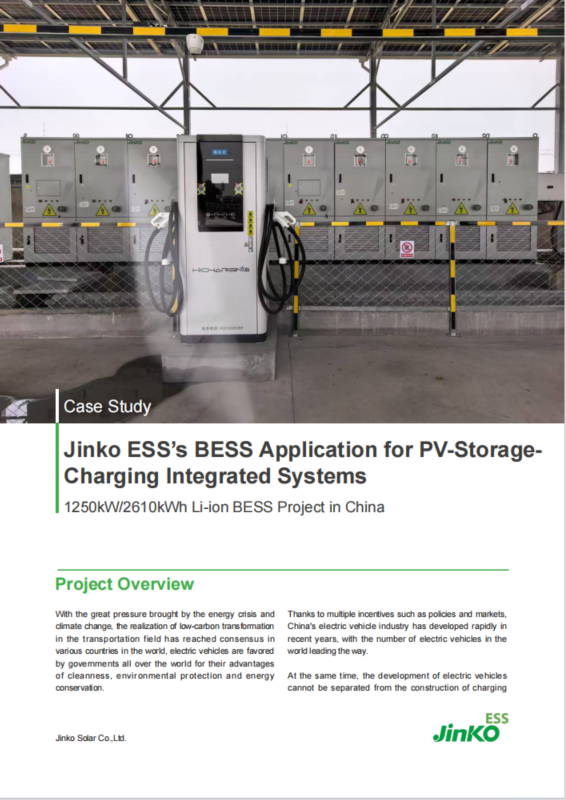
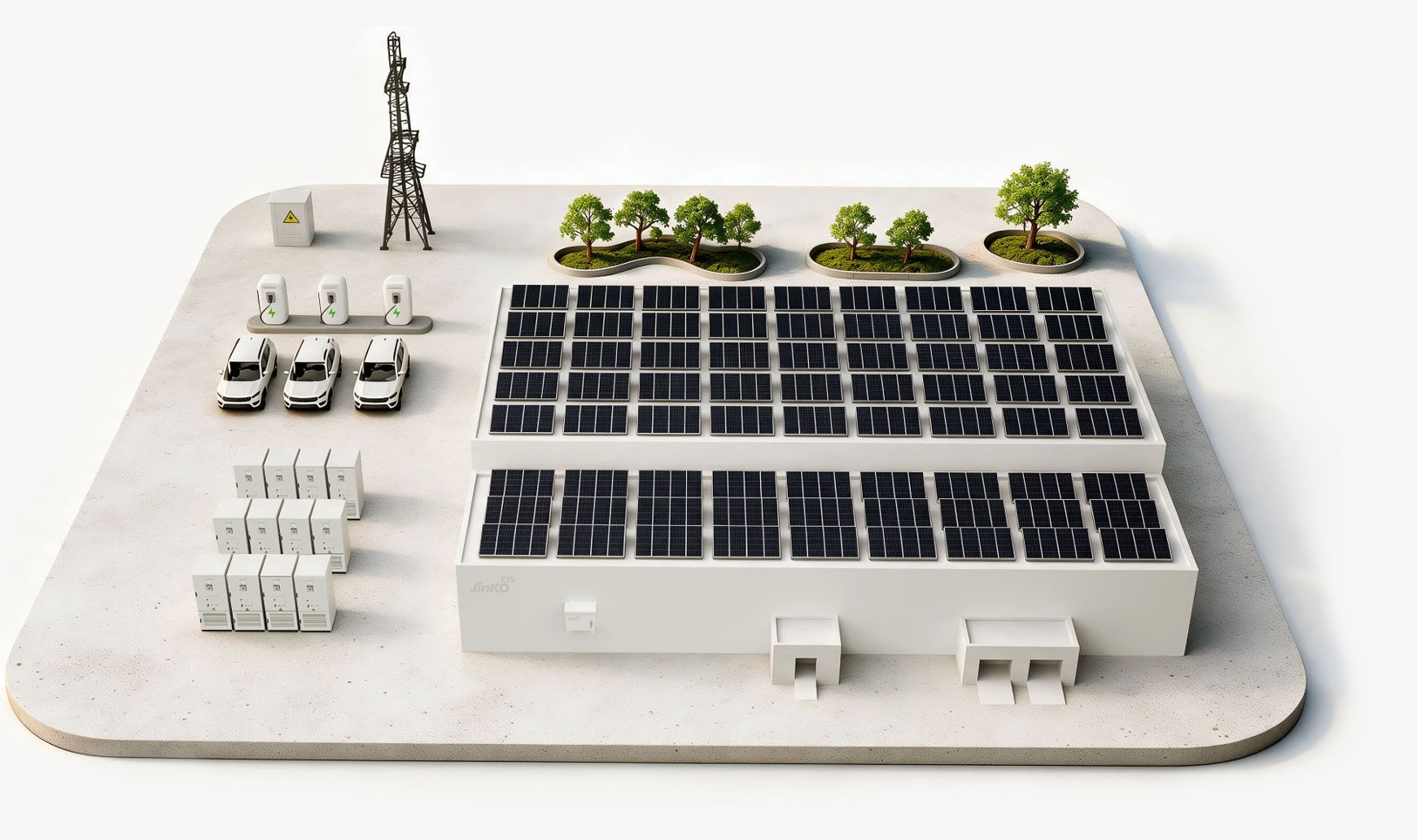
Designed for integrated solar, storage and EV charging, Jinko EMS coordinates PV generation, battery storage and charging loads to shift energy, maintain a stable power supply and provide dynamic capacity support, increasing solar self-consumption and reducing total electricity costs.
Designed for integrated solar, storage and EV charging, Jinko EMS coordinates PV generation, battery storage and charging loads to shift energy, maintain a stable power supply and provide dynamic capacity support, increasing solar self-consumption and reducing total electricity costs.

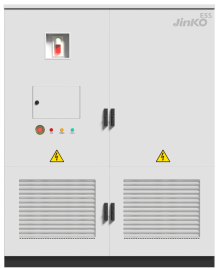
C&I energy storage systems built with Jinko ESS-developed 314 Ah cells and a non-uniform liquid-cooling flow path that limits cell-to-cell temperature variation to ≤2°C. Battery modules, BMS, PCS and fire suppression are pre-integrated at the factory, and the system supports both grid-connected and islanded operation. The range includes G2 (261 kWh, up to 10 cabinets in parallel) and G2 Plus (522 kWh, up to six cabinets in parallel), providing flexible capacity options. For solar-storage-EV charging applications, the EMS coordinates PV, storage and charging loads, dynamically managing charging power and supplementing constrained transformer capacity to maximise on-site solar self-consumption.

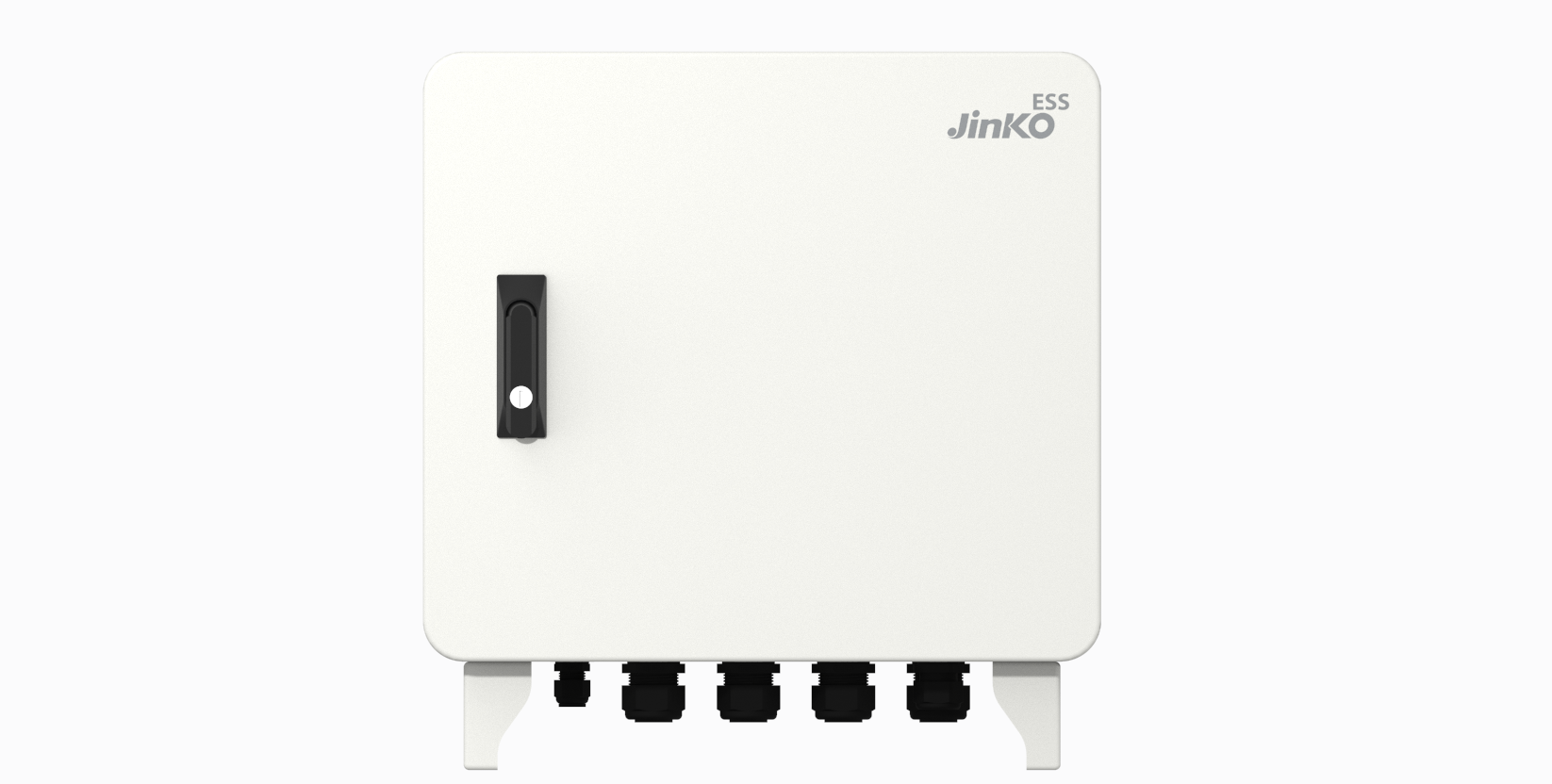
EMS 1000 Plant-Level Energy Management System: in-house AI algorithms combine load forecasting with electricity-market strategies to optimise energy storage returns. Core functions include grid-connected/islanded transfer, zero-export control, capacity limit control, demand management, PV self-consumption, PV-storage coordination, time-scheduled power control, black start, peak shaving, load shifting and tariff arbitrage. A comprehensive protocol suite, including Modbus RTU/TCP, IEC 61850 GOOSE/MMS and DNP3.0, supports third-party equipment and grid-dispatch interfaces. Eight-level visual monitoring from equipment to plant is available through web, mobile app and large-screen interfaces, simplifying operations and maintenance.

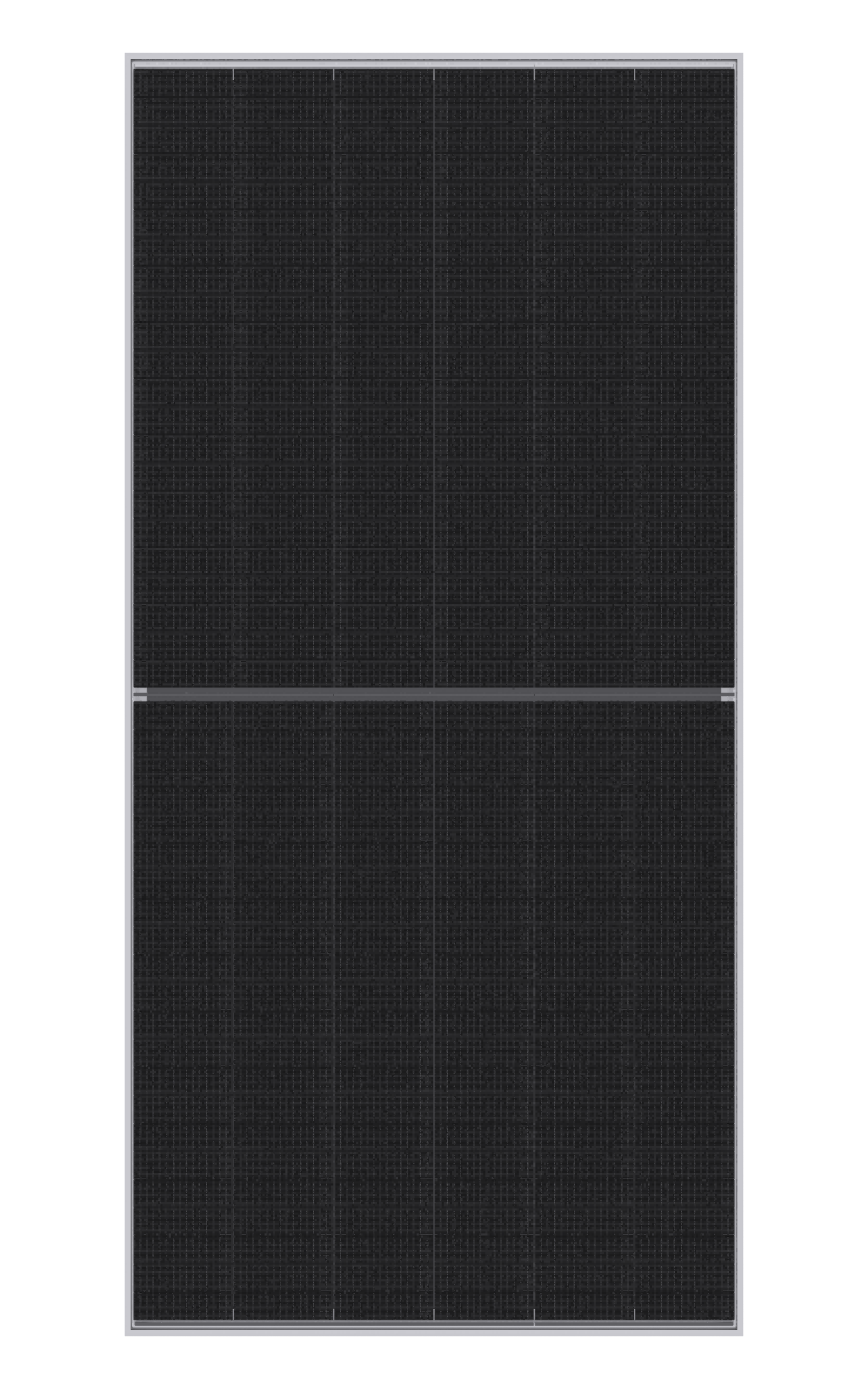
Tiger Neo 3.0: a high-efficiency N-type TOPCon bifacial module delivering 650-670 W front-side power and 85±5% bifaciality. Built on an enhanced N-type TOPCon platform, its optimised structure improves light absorption and capture. A low temperature coefficient of -0.26%/°C and excellent low-light performance increase energy yield. Advanced metallisation and next-generation encapsulation provide strong resistance to PID, LID and LeTID, while certification for a 5,400 Pa front-side mechanical load supports reliable output throughout the product lifecycle.

The EMS platform intelligently coordinates PV generation, battery storage and charging loads across the site. Fine control of EV chargers and other flexible loads maximises solar self-consumption and reduces reliance on the grid.

When transformer or grid-connection capacity is constrained, charging power is adjusted automatically to maintain stable site operation, while the energy storage system is dispatched in real time to provide additional capacity support.

The energy storage system shifts demand away from peak periods, reduces the site's maximum demand and optimises electricity costs.